.png)
Crispy sauerkraut
1
Sauerkraut is a real Ukrainian delicacy that not only delights with its taste but also takes care of your health. Thanks to natural fermentation without vinegar, this dish is rich in probiotics that promote better digestion. Its crunchiness is achieved thanks to the optimal fermentation temperature — between 18-22°C. Lactic acid fermentation occurs independently and lasts from 3 to 7 days.
Variations
- Classic version with only carrots and salt.
- With the addition of cranberries or apples for a slight sourness.
- With cumin, bay leaves and peppercorns for more aroma.
- With beetroot to give it a pink colour.
Secrets of tenderness and taste
- Use late varieties of cabbage with dense heads.
- Cut the cabbage into 3-5 mm strips for even fermentation.
- Do not press the cabbage too hard when stacking.
- Keep under a weight for the first 3 days to release the juice.
Tips on ingredients
- Use coarse rock salt, as iodised salt can block fermentation.
- Grate the carrots on a coarse grater for juiciness.
- Use fresh cabbage without damage or rotten leaves.
- Proportion: 2-2.5% salt by weight of cabbage (20-25 g per 1 kg).
Small culinary nuances
- Pierce the cabbage daily with a wooden stick to release gases.
- Keep at room temperature for 3-5 days, then in a cool place.
- The cabbage should be completely covered with brine.
- Readiness is determined by taste: sour-salty without bitterness.

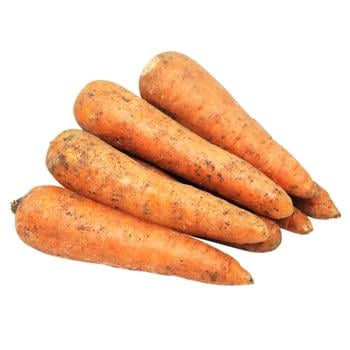



Ingredients
White Cabbage
3000 g
Carrot
300 g
Table Salt High Grade 1kg
60 g
Prypravka Laurel Leaves
3 pcs
Liubystok Hell's Black Peppercorns 20g
10 pcs
Preparation steps
01
Prepare the cabbage — Remove the outer leaves from the cabbage, cut the head into 4 pieces, and remove the core. Shred the cabbage into thin strips 3-5 mm wide. ⏱ 15 min. Guideline: the cabbage should be shredded into even, thin strips.
02
Adding carrots and salt — Grate the carrots using a coarse grater. Mix the cabbage with the carrots and salt in a large container. Knead with your hands for 5-7 minutes until juice is released. ⏱ 10 min. Guideline: the cabbage should be moist and juice should be released.
03
Placing in a container — Place the cabbage in layers in a glass jar or enamel pot, pressing down firmly on each layer. Add bay leaves and peppercorns between the layers. ⏱ 10 min. Guideline: the cabbage is tightly packed and the juice covers the surface.
04
Placing the weight — Cover the cabbage with a clean cloth or gauze, place a plate on top and weigh it down (with a jar of water). Leave at room temperature 18-22°C. ⏱ 5 min. Guideline: the cabbage is completely covered with its own juice.
05
Pricking during fermentation — Pierce the cabbage daily to the bottom with a wooden stick in 4-5 places to release gases. Remove foam from the surface. Repeat for 3-5 days. ⏱ 5 min. Guideline: gas is released, foam decreases every day.
06
Completion of fermentation — When the foam stops appearing and the pungent smell disappears (3-7 days), transfer the cabbage to a cold place (refrigerator or cellar) for storage. Guideline: the cabbage has a pleasant sour-salty taste, is crunchy, and has no bitterness.
07
Tip⏱ Sauerkraut can be stored in the refrigerator for up to 6 months. Always keep it covered with brine and use a clean spoon when removing it.
Where to order ingredients
Select the required ingredients in one of the stores


.png)
.png)
.png)
.png)
.png)
.png)
.png)
.png)
.png)
.png)
.png)

.png)
.png)

.png)
.png)
.png)
.png)
.png)
.png)
.png)

.png)
.png)
.png)
.png)