.png)
Sauerkraut with beetroot
1
Sauerkraut with beetroot is not only a tradition dating back thousands of years, but also a true work of art from nature in a jar. Thanks to the beetroot, the cabbage takes on a beautiful pink colour and a sweet taste, giving it an unusual lightness. The fermentation process gives the cabbage the status of a natural probiotic, which means it becomes an indispensable aid to intestinal health. This delicacy can be stored in the refrigerator for up to six months — the perfect way to escape the winter blues.
Variations
- Add carrots to enhance the sweet taste.
- Make the dish spicy by adding garlic and horseradish.
- For those who like it hot, I recommend adding red or black peppercorns.
Secrets of tenderness and taste
- Use late varieties of cabbage with dense heads.
- The optimal fermentation temperature is 18-22°C.
- Skim off the foam regularly during the first 3-4 days.
Tips on ingredients
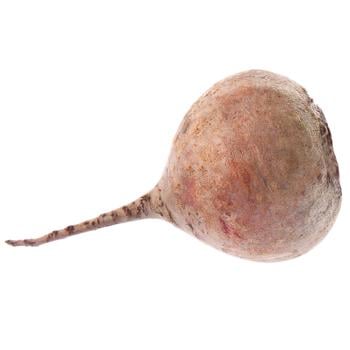
It is better to choose dark varieties of beetroot to obtain a bright colour. Rock salt without iodine is just what you need for fermentation. The cabbage should be white, dense and undamaged.
Small culinary nuances
Avoid iodised salt so as not to slow down fermentation. The cabbage should be completely covered with brine. Pierce the cabbage with a wooden stick every day to release gases. Readiness is determined by a sour-salty taste without bitterness.
Ingredients for the recipe




Ingredients
White Cabbage
2000 g
Beetroot
300 g
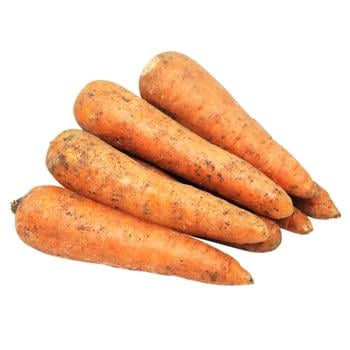
Carrot
200 g
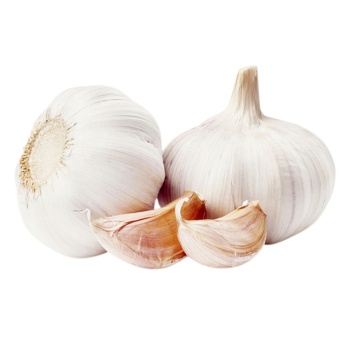
Garlic
4 зубчика
Table Salt High Grade 1kg
60 g
Sugar Weight Ukraine
20 g
Mriia Allspice Peas 15g
10 pcs
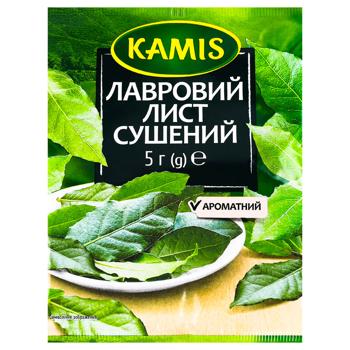
Kamis dry bay leaf 5g
3 pcs
Preparation steps
01
Preparing the vegetables — Shred the cabbage into strips 3-5 mm thick. Peel the beetroot and grate it on a coarse grater or cut it into thin cubes. Grate the carrots on a coarse grater. Peel and slice the garlic. ⏱ 20 min. Guideline: The vegetables should be evenly shredded, without large pieces.
02
Mixing with salt — In a large bowl, mix the cabbage with 40 g of salt, kneading lightly with your hands until juice appears (not too hard). Add the beetroot, carrots, garlic and peppercorns. ⏱ 15 min. Guideline: The cabbage has softened and released some juice.
03
Placing in a container — Pack the vegetable mixture tightly into a clean glass jar or 3-litre enamel pot, layering it with bay leaves. Leave 5-7 cm to the top. ⏱ 10 min. Guideline: The vegetables are tightly packed, with no air pockets.
04
Prepare the brine — In a separate container, dissolve 20 g of salt and sugar in 1 litre of cooled boiled water. Stir until completely dissolved. ⏱ 5 min. Guideline: The brine is clear, the salt and sugar are completely dissolved.
05
Fermentation — Leave the container at room temperature (18-22°C) for 5-7 days. Remove the foam daily and pierce the cabbage with a wooden stick to the bottom to release gases. Taste on the 5th day. ⏱ 10080 min. Guideline: The brine has become cloudy, active fermentation has stopped, and the taste is sour-salty without bitterness.
06
Storage — Transfer the finished sauerkraut to clean jars along with the brine, cover with lids and transfer to the refrigerator or a cold cellar. ⏱ 5 min. Guideline: The cabbage has a pink colour from the beetroot and a pleasant sour aroma.
07
Tip⏱ Before serving, you can dress the cabbage with sunflower oil and chopped onion. It goes perfectly with boiled potatoes, meat dishes or as a standalone appetiser.
Where to order ingredients
Select the required ingredients in one of the stores


.png)
.png)
.png)
.png)
.png)
.png)
.png)
.png)
.png)

.png)
.png)
.png)
.png)
.png)




.png)